As someone who pastored for three decades, I’ve had my share of Monday mornings when I wanted to quit. I remember telling my wife Dianne multiple times, “I’m done. Get me out of here.” Her response was always grounding: “I’ve been called to this ministry, and I’m not ready to quit. So work it out.”
In March 2022, a Barna survey of 510 US Protestant senior pastors found that 42% had considered quitting full-time ministry within the previous year. This is historical research, rather than a current estimate or a worldwide figure. Read Barna’s original report and survey methodology. The findings provide a starting point for exploring pressures pastors face and practical ways to build a sustainable ministry life with a planned weekly rhythm.
If these pressures feel familiar, read my practical responses to pastoral overwhelm and my conversation about pastoral burnout recovery, hope and healthier rhythms.
The Top Reasons Pastors Consider Quitting the Ministry
When I look at the data from Barna’s research, three major factors emerge that are pushing pastors toward the exit door.
First and foremost is the overwhelming stress, with 56% of those who had considered quitting identifying stress as a factor in their thoughts about leaving. Let me tell you, the stress levels in ministry today are unlike anything I’ve witnessed in my four decades of church leadership.
Pastors are no longer just preparing sermons and visiting the sick – they’re expected to be available 24/7, manage social media, handle administrative tasks, and navigate complex organizational dynamics.
The pandemic only amplified these pressures, forcing pastors to become digital experts overnight while still maintaining pastoral care in unprecedented circumstances.
Steve Morrison’s account of the early warning signs of cumulative fatigue shows how exhaustion can build over time.
The second major factor, and one that deeply concerns me, is the profound sense of loneliness and isolation reported by 43% of those who had considered quitting. During my thirty years of pastoring, I experienced this firsthand, and now in my coaching practice, I hear it repeatedly from church leaders.
There’s a unique kind of loneliness that comes with ministry.
You’re surrounded by people but often can’t share your true struggles. Pastors often lack close friendships within their congregation, and the leadership position itself creates natural barriers to deep relationships. I’ve seen this isolation take a heavy toll on pastors and their families.
Dale Sellers describes how isolation and hidden struggles can develop and why trusted relationships matter.
I explore that need through my own cancer diagnosis story and the question of who can stand with you when a personal crisis hits.
Political division stands as the third major factor, and it’s creating unprecedented challenges in churches today. I’m seeing pastors struggling to navigate congregational splits over political issues, feeling pressure to take public stances on controversial topics, and trying to maintain biblical focus amid intense political tensions.
This is particularly prevalent in the American church context, though its effects ripple throughout the global church community.
The Deeper Impact on Pastoral Life
What troubles me even more is the ripple effects these challenges create. I’ve sat with countless pastors who share how the ministry has negatively impacted their family life.
Their spouses feel the weight of constant scrutiny, their children grow up in a fishbowl, and the demands of ministry often mean missing important family moments. During my years of pastoring, my wife Dianne was instrumental in helping me navigate these challenges, but not every pastor has such strong support at home.
The current state of the church adds another layer of complexity. You hear pastors expressing deep concern about declining attendance, especially post-pandemic.
They’re wrestling with shifting cultural attitudes toward the church, struggling to engage younger generations, and facing serious questions about financial sustainability.
When I’m consulting with churches, I often encounter leaders who feel caught between maintaining traditional ministry approaches and adapting to rapidly changing cultural contexts.
Vision conflicts have emerged as another significant pressure point. I’m increasingly seeing situations where pastors and their boards are misaligned on the church’s direction. This creates a constant tension between innovation and tradition, between necessary change and maintaining stability.
It’s exhausting to lead when you’re constantly navigating these competing visions and expectations.
The Cultural Context
The broader cultural landscape has shifted dramatically during my decades in ministry. Today’s pastors are leading in a post-Christian context, facing levels of skepticism toward religious institutions that previous generations didn’t encounter.
They’re trying to address mental health crises, engage with Generation Z, and maintain biblical integrity while remaining culturally relevant. It’s a delicate balance that requires wisdom, energy, and resilience. The resource limitations pastors face only compound these challenges.
In my consulting work, I regularly encounter churches struggling with inadequate staffing, tight budgets, and aging facilities. Pastors often find themselves wearing multiple hats – they’re not just spiritual leaders but also business managers, counselors, and facility supervisors. This jack-of-all-trades requirement can be overwhelming, especially in smaller churches.
Finding Hope: Why Pastors Stay
Despite these significant challenges, many pastors remain committed to their calling. Through the Barna research, we see that those who haven’t considered leaving often point to a deep sense of purpose and conviction.
They believe strongly in the value of their ministry and feel a sacred duty to fulfill their calling. This resonates deeply with my own experience – that sense of divine calling served as an anchor during my most challenging seasons of ministry.

My Journey of Perseverance – Four Keys to Ministry Longevity
When I reflect on my 30 years of pastoring, beyond my wife Dianne’s steadfast commitment which kept me going, four key elements emerged that helped me stay the course. I want to share these with you because they could be transformational for other pastors facing similar struggles.
1. Prayer Support
First and foremost is the power of prayer support. We established a dedicated prayer team that became the backbone of our ministry. These weren’t just people who said they’d pray – they were intentional warriors who took specific requests to God and celebrated answers with us. Their spiritual covering made a tangible difference in our ability to weather ministry storms.
2. Genuine Friendships
The second crucial element was cultivating genuine friendships with other pastors. Let me tell you, no one understands a pastor like another pastor. Throughout my years in ministry, these relationships proved invaluable. When I faced challenges, having colleagues who truly understood the unique pressures of ministry provided both practical wisdom and emotional support. As the saying goes, a problem shared is a problem halved.

3. Developing Wisdom about Timing
The third factor that kept me in ministry was developing wisdom about timing. Through experience, I learned there’s both a right time and a wrong time to leave the ministry. When we eventually transitioned to consulting and coaching after thirty years of pastoring, it was at the right time.
But had I quit during those moments of frustration and exhaustion, it would have been premature and potentially damaging to both the church and my calling. This discernment about timing isn’t something you develop overnight. It requires trusted advisors, prayer, and careful consideration.
I’ve seen too many pastors make life-altering decisions in moments of emotional turmoil, only to regret them later. That’s why I always counsel pastors to avoid making major ministry decisions during seasons of intense stress or conflict.
4. Creating a Sustainable Ministry Lifestyle
The fourth and perhaps most practical element is creating a sustainable ministry lifestyle. I learned this from my spiritual father, who emphasized the importance of regular downtime. I cannot stress enough how crucial it is to establish healthy rhythms in ministry.
This means taking regular days off – I recommend Friday and Saturday – and scheduling substantial annual breaks. I’m not talking about squeezing in a quick weekend away or combining vacation with a missions trip. I mean taking a minimum of three solid weeks away from ministry responsibilities.
Whether it’s a proper holiday or a staycation, this time needs to be truly unplugged from church duties. This kind of intentional rest is vital for your mental, emotional, and spiritual health.
Start with one sustainable change this week
- Arrange an honest conversation with a trusted pastoral friend or mentor.
- Protect a period of rest and agree who will handle urgent church needs.
- Identify one responsibility to share with another leader.
- Use the sustainability quiz above to reflect on your pace and choose an area to address.
If You Are Thinking of Quitting …
If you’re a pastor reading this who’s seriously considering leaving pastoral ministry, I want to encourage you to pause and evaluate whether it’s truly the right time. Consider implementing some of these sustaining practices before making a final decision. If you’re a church member, share this with your pastor.
Remember, while the statistics about pastors burning out are concerning, there are proven pathways to long-term ministry sustainability. It’s not just surviving in ministry; it’s about thriving in your calling for the long haul.
With the right support systems, wisdom about timing, and sustainable practices, you can navigate the challenges of ministry life while maintaining your passion and effectiveness for the kingdom of God.
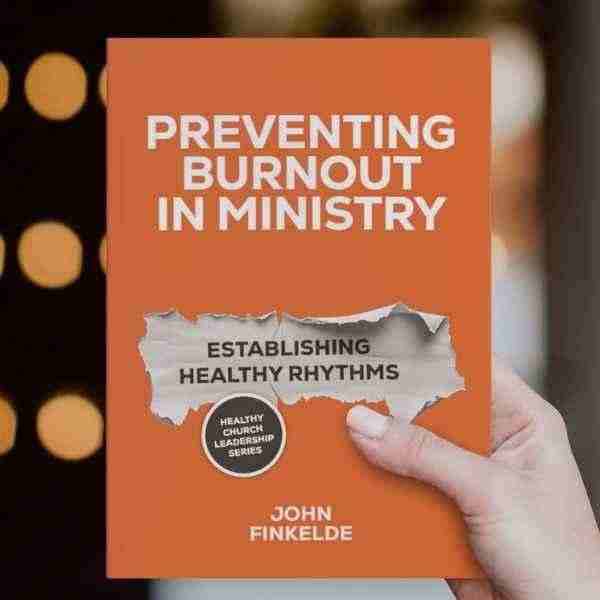
Better yet, ask how you can support them in building these vital support structures. To help pastors develop a sustainable ministry lifestyle, I’ve created a resource, 27 Ways to Avoid Burnout: Proven strategies for tired and overwhelmed leaders. This practical guide draws from my decades of ministry experience and provides concrete steps for building resilience in ministry.