For pastors and ministry leaders, the concept of retirement often feels inadequate—an ending rather than a transition.
After 30 years of pastoral ministry, I discovered that retirement doesn’t have to mean stepping away from purpose and impact.
Instead, “redesigning” offers a powerful alternative that allows ministers to leverage their unique gifts and experiences in new seasons of life.
This approach transforms what could be viewed as an ending into an opportunity for renewed purpose and continued contribution.
Key Takeaways
- Retirement is a relatively recent concept that can feel limiting for purpose-driven individuals
- “Redesigning” offers a proactive alternative that maintains autonomy and purpose
- Planning for life after ministry should begin well before traditional retirement age
- Ministry skills are transferable to numerous fulfilling roles and opportunities
- Financial planning is crucial to successful life redesign
The Problem with Traditional Retirement
After thirty years pastoring in our church, I loved most aspects of ministry life. However, the conventional idea of retirement never resonated with me. It felt like an ending rather than a meaningful transition to a new season of purpose.
The concept of retiring at sixty-five is a relatively recent invention in human history. It began in the late nineteenth century when Chancellor Bismarck of Germany introduced a pension system with the retirement age initially set at seventy. But does this model still serve us well today?
One day, a friend commented that instantly clicked with me: “Retirement is a broken concept.” This simple statement perfectly captured my feelings.
As a pastor accustomed to mission, fulfilment, and purpose at the core of my daily work, I couldn’t imagine stepping away from meaningful contribution just because I’d reached a certain age.
From Retirement to Redesign: A Mindset Shift
Rather than retiring, I decided to embrace a different approach. I wouldn’t retire—I would redesign my life after ministry season.
At fifty-eight, I implemented this philosophy by stepping away from direct pastoral leadership and launching Grow a Healthy Church, a consulting ministry that has now been serving church leaders for thirteen years.
More recently, at seventy-one, I redesigned again, reducing travel commitments and introducing a new consultation retreat concept called The Getaway, which brings pastors to me at Scarborough Beach in Western Australia.

Hint #1: Change Your Language, Change Your Life
The first step in this transformation is linguistic. Stop using the word “retirement,” regardless of your current age. Whether you’re thirty or sixty, begin thinking in terms of “redesign,” “reconstruction,” or similar concepts that imply intention and creation.
Retirement often conjures images of passivity—stopping, resting, perhaps filling time with leisure activities. In contrast, redesigning carries a sense of proactivity and intentionality. You’re taking charge, not letting retirement happen to you, but engineering a new chapter with purpose.
This shift in terminology creates a powerful sense of autonomy that benefits your mental and emotional wellbeing.
Hint #2: Explore Your Options Through Brainstorming
Take time to brainstorm possibilities with your spouse, friends, or mentors about what you could do in your sixties, seventies, and beyond. While this might seem premature if you’re only in your thirties or forties, remember that these decades will arrive sooner than you expect.
For pastors with extensive church experience, numerous paths remain open:
- Interim pastoring for churches in transition
- Pastoral supervision and mentoring
- Coaching and consulting (as I’ve chosen)
- Chaplaincy in various industries
- Content creation through writing, blogging, podcasting, or establishing a YouTube channel
- Entrepreneurship and business ownership
One pastoral colleague of mine transitioned to driving trucks in the mining industry after 25 years in ministry. Another launched a renovation business specializing in tiny homes. The possibilities are limited only by your interests and imagination.

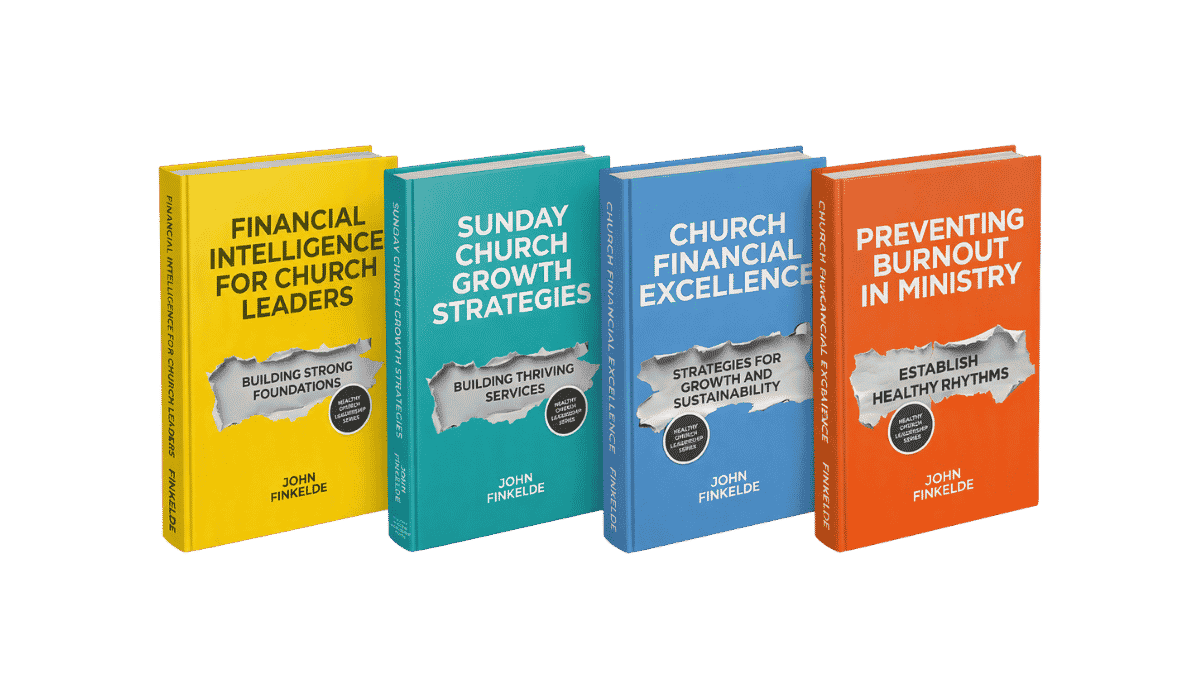
Empower your leadership with financial intelligence. Learn how to manage money wisely and lead effectively. Grab the book on Amazon now.
Hint #3: Start Planning Now
My final recommendation is to begin planning well before traditional retirement age. Don’t wait until you’re sixty-five and focused primarily on pension logistics.
Regardless of your current age, consider setting aside a day for prayerful reflection about what you want your sixties, seventies, and eighties to look like.
The early consideration I gave to this question positioned me for what I consider a brilliant redesign of my life. You might attend retirement conferences to explore options, deliberately broaden your horizons, or research alternatives to conventional retirement paths.
Thoughtful planning also helps mitigate fears about purpose, finances, and how you’ll meaningfully structure your days. While planning isn’t a complete solution to transition anxiety, it moves you in the right direction.
Considered planning will prepare you thoroughly for life after ministry.
Additionally, consult with a qualified financial planner. I asked a trusted friend for a recommendation and received invaluable guidance for this season of life. Meet with several professionals if necessary until you find someone with whom you connect well.
Embracing Your Next Season
Your ministry doesn’t have to conclude when you reach your sixties. Your sense of purpose needn’t diminish with age. By redesigning rather than retiring, you can discover an entirely new season of fruitfulness and impact.
The skills, wisdom, and experience you’ve accumulated through decades of ministry remain valuable. By reimagining how and where you’ll apply them, you can continue contributing meaningfully while embracing the flexibility and opportunity that this new season brings.
Frequently Asked Questions
When should I start thinking about redesigning my life after ministry?
Ideally, begin considering your options at least 5-10 years before you anticipate making a transition. This gives you time to explore possibilities, develop new skills if needed, and make necessary financial preparations.
How do I know when it’s the right time to transition from pastoring?
This varies for everyone, but common indicators include a sense that your season is coming to completion, a growing interest in different expressions of ministry, or the emergence of capable leaders who could assume your role. Prayer, counsel from trusted advisors, and honest self-assessment all play important roles in this discernment.
What if I don’t have any clear idea of what I want to do next?
Start by identifying what aspects of ministry have brought you the most fulfillment and consider how those elements might translate to different contexts. Consider personality and gifting assessments, job shadowing, or conversations with people in fields that interest you.
How should I approach the financial aspects of this transition?
Consult with a financial planner who specializes in working with pastors or ministry professionals. They can help you understand options regarding retirement accounts, social security/pension benefits, healthcare costs, and creating sustainable income sources.
Can I still maintain my identity as a minister if I’m no longer pastoring a church?
Absolutely. Ministry is fundamentally about service and purpose, not position or title. Many former pastors find their ministerial identity deepens as they discover new ways to express their calling beyond traditional church settings.