When I was a young pastor, I tried to read Robert Clinton’s The Making of a Leader. Looking back, I can see that I lacked perspective.
I was caught up in the immediate demands of ministry. It was harder to step back and recognise how God was shaping me over the longer journey.
Clinton’s framework invites us to do just that.
A change of perspective is powerful. As a pastor, you will often find yourself caught up in the day-to-day responsibilities and pressures that confront you regularly.
The ABCs of ministry—attendance, buildings and cash—can dominate your thinking. The very real pressure to perform and be fruitful can be overwhelming.
This pressure can also hinder perspective. The juggle between being and doing can weigh heavily upon your heart. Not to mention the genuine needs of people and the immense expectations of others.
When the ABCs and ministry pressures dominate your attention, you and your family can pay a price. Joy can fade, and ministry can begin to feel like a grinding chore instead of a passionate vocation.
In the pressure to keep ministry moving, it is easy to lose sight of God’s work in you.
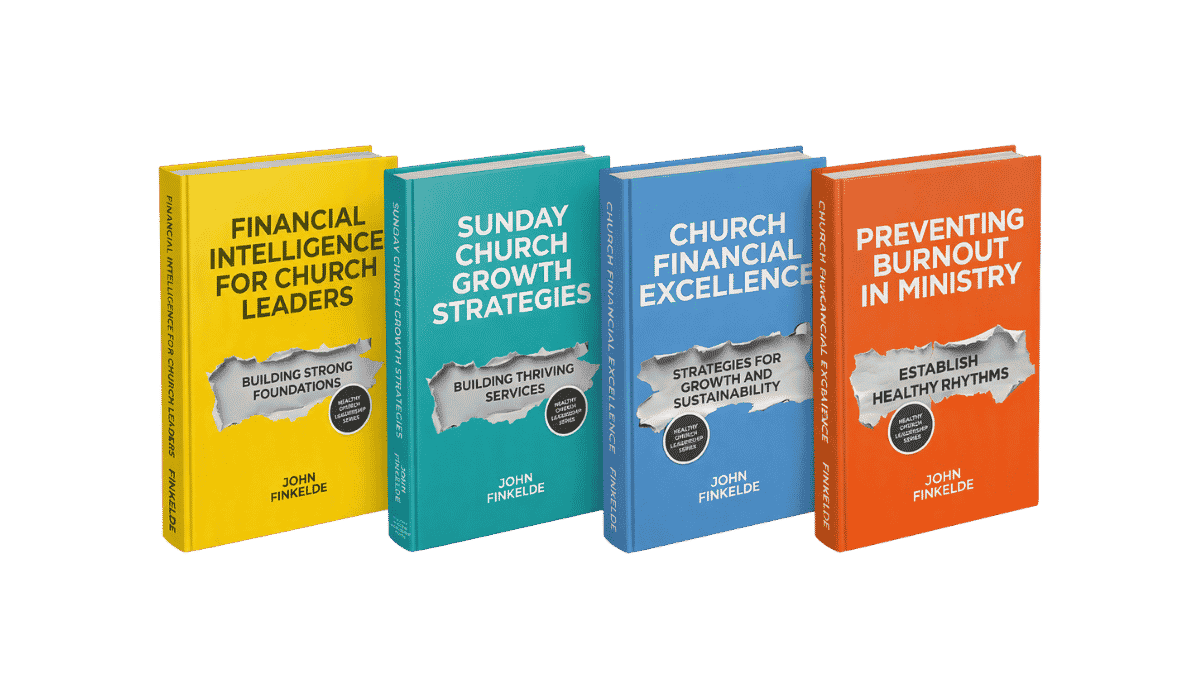
If ministry is becoming a grinding chore, my book Preventing Burnout in Ministry offers practical help for building healthier rhythms. You can also explore why pastors reach the point of quitting ministry.
While your responsibilities and pressures are unavoidable, they are manageable if you take the time to:
- Step back.
- Survey the bigger picture.
- Reflect on God’s work in you.
My reflection questions for church leaders can help you make time for that bigger picture.
Taking time to reflect can help you recognise how God has shaped your journey so far and consider where He is leading you.
Watch: Learning to Lead Through Change
In this interview, Brian Webber shares how growing responsibilities challenged him to develop new skills, delegate and seek help. It’s a practical example of how ministry experiences shape us as leaders.
The Making of a Leader
Dr Robert J. Clinton analyzed the lives of hundreds of historical, Biblical, and contemporary leaders, and in his book, The Making of a Leader: Recognizing the Lessons and Stages of Leadership Development, he outlined six phases of leadership development. This article explores the first five, from sovereign foundations to convergence. His sixth phase is afterglow.
These phases offer a way to reflect on your development as a leader. They can help you look beyond immediate demands and recognise God’s work across the years.
This understanding will also remind you that ministry is both a marathon and a sprint. It demands both perseverance and stamina as well as bursts of energy that propel you into new arenas.
Keeping that longer journey in view can help when the immediate demands feel overwhelming.
Clinton helps us see how leaders develop over a lifetime. To put leadership development into practice in your church, my book offers practical steps for building a leadership pipeline.
Clinton’s First Five Phases of Leadership
Phase 1: Sovereign Foundations
Clinton starts with God’s choices for us.
God sovereignly determines our genealogy, family of origin, personality, innate gifts, calling, place of birth and upbringing, and early formative experiences.
You can gain perspective by stepping back and seeing the bigger picture, contemplating these foundations as gifts from God.
Reflect on those foundations, including any regrets or uncertainties about your upbringing, and recognise the gifts and personality God has given you.
Growing as a leader does not require you to become someone else. Recognising your own gifts and personality can help you avoid the comparison trap.
When Peter asked about John’s fate, Jesus said “What is that to you? You must follow me.” He didn’t want Peter running down comparison alley. It’s a dead end.
Take Action: Embrace your sovereign foundations as tailor-made. Avoid the empty comparison game.
Phase 2: Inner-Life Growth
Early on, Christ focuses on developing integrity. There are obedience tests and integrity checks as God observes and deepens your character.
This phase highlights growth in faith through prayer, Bible study, submission, reliability, honesty and faithfulness.
Mentors can help as leaders face temptation and learn obedience. The focus is on a foundation of integrity that supports ministry over the long term.
Take Action: See again the vital role integrity plays in your ministry. Let it motivate your growth.
Phase 3: Ministry Maturing
In this phase, leaders develop their ministry skills and grow in capacity. They learn to cast vision and motivate people towards the mission.
Ministry skills are honed – public speaking, delivering God’s Word, developing people skills, overcoming obstacles and setbacks. Challenges call for faith, and defining moments can build maturity.
Take Action: Reflect on the formative experiences Christ uses to develop your leadership skills and certainty in your calling.
Phase 4: Life Maturing
Leaders grow through life’s joys and challenges. Financial pressures, marriage and family, health issues, travel, and friendships all play their role in our growth.
There are heartbreaking moments of pain, grief, and yes betrayal. These are complemented by highlights of breakthroughs and provisions of grace.
These stories shape you as a leader as you grow in understanding and living out the truth not just cognitively but through experience.
Take Action: Reflect on how life’s experiences have shaped you as a leader.
Phase 5: Convergence
Convergence is when your gifts, experience and calling come together in a more focused way.
It can emerge later in ministry, but there’s no birthday that guarantees it. Turning 50 doesn’t automatically mean everything falls into place.
The question is less “How old am I?” and more “Where can I best deploy my accumulated skills and breadth of experience?”
Take Action: Where do your gifts, experience and calling overlap? Discuss that with someone who knows you well.
Looking at the longer journey can help you approach uncertainty with greater perspective, value character alongside gifting and focus on longevity rather than immediate results. The long view bears good fruit.
Watch: Building a Sustainable Ministry Lifestyle
Ministry is a long journey, and difficult seasons can make you lose sight of the bigger picture. In this video, I share what helped me persevere through 30 years of pastoring and build a sustainable ministry lifestyle.
Frequently Asked Questions
How many leadership development phases does Clinton describe?
Clinton describes six phases. This article explores the first five: sovereign foundations, inner-life growth, ministry maturing, life maturing and convergence. His sixth phase is afterglow.
What is the difference between ministry maturing and life maturing?
Ministry maturing focuses on developing ministry and leadership skills. Life maturing considers how experiences such as family life, financial pressures, friendships, grief and breakthroughs shape the leader.
What does convergence mean?
Convergence is when your gifts, experience and calling come together in a more focused way. The question is where you can best use your accumulated skills and experience.
Does convergence happen automatically at a particular age?
No. As this article explains, turning 50 does not guarantee that everything will fall into place. The focus is on the overlap between your gifts, experience and calling.
How can I reflect on my own leadership journey?
Step back from immediate ministry demands, survey the bigger picture and reflect on God’s work in you. The action points in each phase offer a starting place, including considering how formative experiences have shaped your character and calling.
Your own development also shapes how you develop others. For practical help, explore developing emerging leaders. To consider how your church helps people find their place in serving, take the three-minute serving quiz below.