I once made an unannounced Sunday visit to a church whose pastor I was coaching. I arrived early and spent several minutes wandering around the foyer looking for the toilets. I eventually had to ask. Even as someone who’d spent years pastoring, I felt awkward.
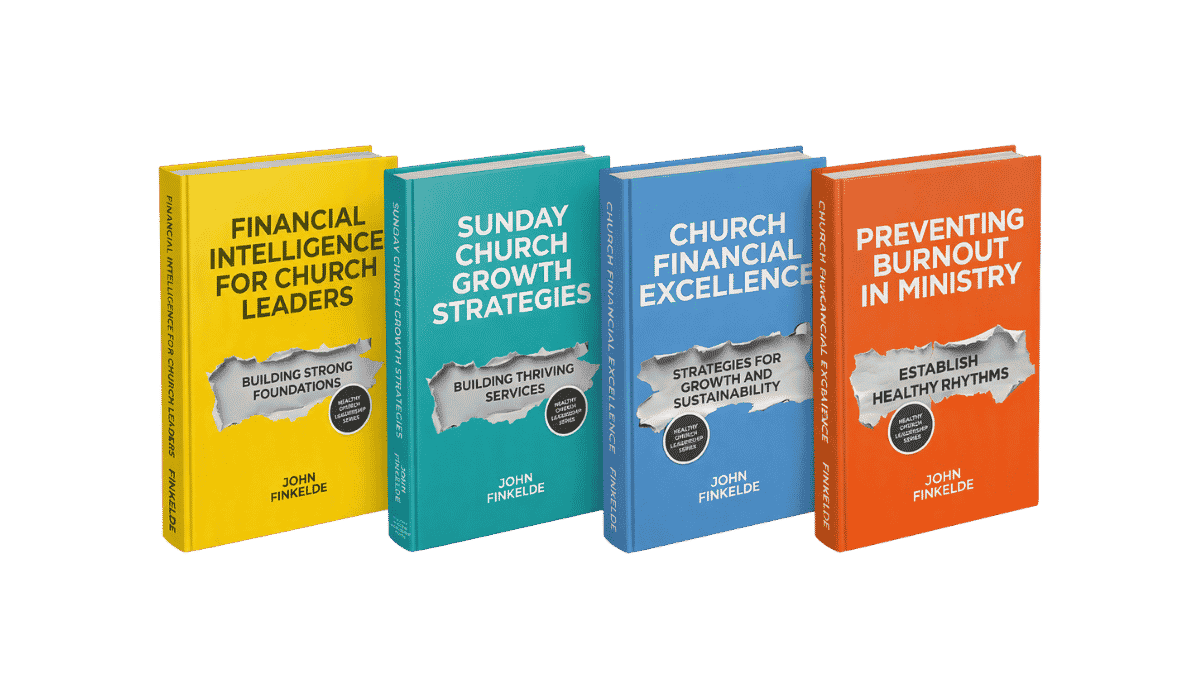
I tell that story in Sunday Church Growth Strategies because it shows how easily we overlook something when we know the building. A first-time visitor has to work out where to go, where to take the kids and what to do after the service. All of that happens before anyone on your team asks whether they’d like to come back.
So when your welcome team says twelve new people visited last month, ask one more question. How many of those same people came back?
Key takeaways
- Put someone who loves hospitality in charge of the visitor experience.
- Count first-time visitors, record how many you can reliably track and see how many of that group return within 30 days.
- Review the counts alongside the percentage. One household can move the rate substantially in a small church.
- Use the numbers and your team’s observations to choose one thing to improve.
Put the right person in charge of welcoming visitors
Our attention to visitors went through the roof when I asked Nicole Meagher, one of my pastoral staff, to oversee this area. Nicole is organised, proactive and loves hospitality. She was the right person to give this part of church life the attention it deserved.
Putting the right person in the right place is vital when you’re growing a healthy church. Think about who on your team naturally notices a new face, takes the initiative to make them feel at home and follows through on the details. That’s the sort of person I’d ask to lead this area.
What should your welcome team record each Sunday?
When we began tracking visitors at our church, we used a simple spreadsheet. It helped us pay closer attention to the visitor pathway and see where our follow-up needed work.
Start with two records. Keep a weekly count of first-time visitors, including an estimate of additional guests who didn’t leave their details. Separately, keep a record of the people or households you can reliably recognise or match to a later visit. Choose whether you’ll count people or households and use that definition consistently. If you count a family as one household on their first Sunday, do the same when they return.
| What to record | What it tells you |
|---|---|
| First visit date | When the guest’s 30-day window starts. |
| Name or household reference | How your team can recognise a second visit, using details the guest chose to share. |
| Follow-up agreed and sent | Whether someone asked to hear from you and whether your team followed through. |
| Second visit date | Whether the guest returned within 30 days. Record the first return only. |
Give one person responsibility for updating the sheet after Sunday and checking with the hosts for anything they missed. Keep personal details in the church’s usual system. The wider team can discuss the totals and what they observed.
How do you calculate your visitor return rate?
Give each guest 30 days from their first visit. Someone who visits on the last Sunday in November gets the same time to return as someone who visits on the first. Review November’s group once everyone has had their full window.
30-day return rate = trackable first-time visitors who returned within 30 days ÷ all trackable first-time visitors × 100.
Say your team counted or estimated 12 first-time guests in November and could reliably track 10. Four of those ten came back within 30 days. Your observed return rate was 40%, based on ten trackable guests. Report the two guests you couldn’t track alongside that figure so the team knows what it covers.
What’s a good return rate for a small church?
Start with your own baseline. If one more person had returned in the example above, the rate would have moved from 40% to 50%. In a small church, that’s one person’s decision. It’s worth noticing, and it takes several months of consistent tracking to see a pattern.
Compare ordinary Sundays with similar Sundays. A Christmas Eve service or a baby dedication may bring people from out of town or extended family who already attend elsewhere. Keep a brief note about those occasions so your team can make sense of the figures when you review them.
What are the numbers asking you to look at?
| What you’re seeing | Where to look first |
|---|---|
| Few people are visiting for the first time. | Check how someone finds you and plans a visit. Are the address, service times and children’s arrangements easy to find? |
| People visit, but you can track only a few. | Look at how you offer people a way to connect. Can a guest ask a question or leave their details easily if they want to? |
| You can track visits, but few people come back. | Walk through Sunday from a visitor’s point of view. Where might they feel unsure? When someone asks to hear from you, who follows up? |
| People return, but your team rarely gets to know them. | Think about the second Sunday too. Who could remember a name, introduce someone over a cuppa or help them find a next step? |
Some people are passing through. Others are taking their time finding a church community. The figures can help you spot where your team could offer better hospitality. Leave room for each guest to decide what comes next.
Try one change for the next four Sundays
Imagine two hosts mention that visiting parents keep asking where to take their kids. Walk the route from the car park to the children’s check-in with someone who’s never been to your church. Ask them to tell you where they first felt unsure.
For the next four Sundays, put a host at that spot who can walk families to check-in. Give your welcome team leader responsibility for making sure the host is there each week. Ask the hosts whether parents found their way more easily and what questions still came up.
Once that group of first-time visitors has had its full 30 days, look at how many came back and compare the figures with your baseline. If the numbers are small, give particular weight to what parents and hosts noticed. You might discover that the host helped families on arrival, while the next thing to fix is how you explain pick-up at the end of the service.
Frequently asked questions
What if a visitor doesn’t leave their details?
Include them in your first-time count or estimate. Include them in your return-rate calculation only if your team can reliably match their first visit to any later visit. When you report the rate, show how many guests you could track.
Does a reply to a follow-up text count as a return visit?
Count a reply as a sign of connection and record it separately. For this measure, a return means the person came back to a Sunday service within 30 days. If your team needs help with what to say, use these church visitor follow-up scripts.
How often should we review the figures?
Update the record each Sunday. Give your welcome team a short monthly check-in using the latest group whose 30 days are complete. Look at the wider pattern with your leadership team each quarter and agree on one action, who will own it and when you’ll review it.
See where your visitor pathway needs attention
Start with one question at your next welcome team meeting. Where could we make the next visit easier for someone who came for the first time this Sunday?
If you’re unsure where to start, the free 3-minute Church Growth Evaluation helps you look at how people find your church, what they experience on Sunday, how you help them belong and what your team measures. Bring the results to your meeting and choose one area to work on together.