In the world of church leadership, January always brings a flurry of trend predictions. But rather than focusing solely on annual forecasts, I’ve found it more valuable to observe trends over five to seven-year periods.
After all, who could have predicted how the pandemic would disrupt everything five years ago? Nevertheless, January remains an ideal time to reset, realign, and focus on what truly matters for your church.
3 Significant Trends
Today, I want to share three significant trends emerging in church ministry, plus a bonus trend that’s particularly fascinating. I’ll also highlight what’s not changing in church world – because sometimes stability is as important as innovation.
Trend 1: The Shutdown of Online Services
We’re witnessing an accelerated shutdown of online church services over the past 12-18 months. Many churches have recognized that we’re well beyond the pandemic era of 2020-2021, and maintaining online services consumes excessive resources, time, and energy with diminishing returns.
This shift reflects a broader realization that while online services were essential during lockdowns, they don’t foster the same sense of community as in-person gatherings.
Many churches report that online viewers rarely transition to active participation, and the technical demands of producing high-quality broadcasts weekly have proven unsustainable for all but the largest congregations.
Additionally, attendance analytics often reveal that online viewers typically watch for only 7-12 minutes before disengaging, raising questions about the value of spiritual formation compared to resource investment.
Vertical video content
Instead, churches are pivoting toward vertical video content. These short-form videos (45 seconds or so) can be simultaneously published across multiple platforms – TikTok, Instagram, Facebook, YouTube, and even LinkedIn.
This approach represents a more efficient use of your time and resources. Rather than producing entire online services, pastors can create impactful short videos once or twice weekly, repurposing sermon content for broader reach.

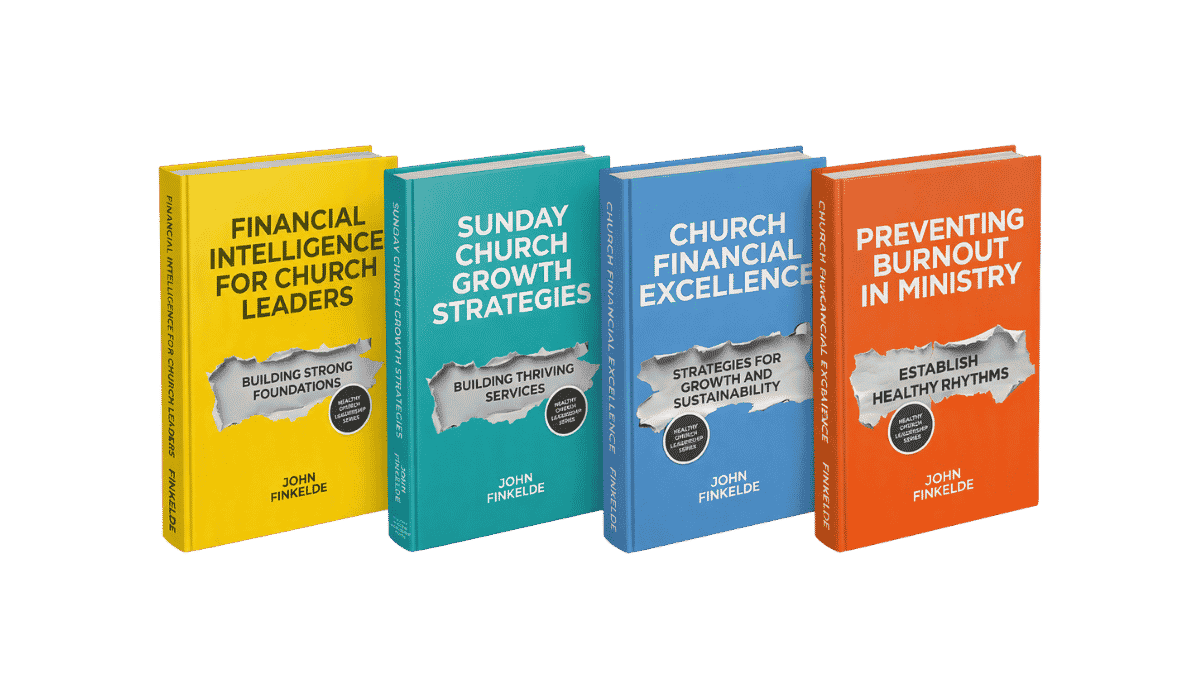
Empower your leadership with financial intelligence. Learn how to manage money wisely and lead effectively. Join the wait list for my new Financial Intelligence for Church Leaders
Trend 2: Increased Emphasis on Next Gen Ministries
While focusing on children, youth, and young adults isn’t new (successful churches have always prioritized next generation ministries), there’s a fresh “vibe” emerging globally around faith and spirituality.
This cultural moment is particularly evident in the growing spiritual curiosity among Gen Z, who despite being labeled the most secular generation, are increasingly drawn to discussions of meaning, purpose, and transcendence.
Unlike previous generations who rejected religion outright, many young adults today are spiritually open while remaining institutionally skeptical.
Joe Rogan and Wes Huff
The recent Joe Rogan interview with Wes Huff discussing Biblical authenticity has gained tremendous traction. Voices like Glenn Scrivener, Justin Brealey, and Tom Holland are noticing a shift where Christianity isn’t automatically dismissed.
There’s a growing openness toward the gospel and Christ, particularly among younger audiences.
This cultural moment presents an opportunity for churches to engage with this dialogue. Not everyone is anti-church or anti-Christ, and pastors should tap into this changing sentiment, share it with their congregations, and preach into it.
This positive trend gives us reason to be encouraged about the future.

Trend 3: The Rise of Pastoral Sabbaticals
Post-COVID, there’s heightened awareness around pastoral wellbeing and burnout prevention. The unsustainable pace of 60-70 hour work weeks without adequate breaks is being challenged, leading to more pastors taking sabbaticals.
This shift reflects a deeper understanding that ministry effectiveness is directly linked to personal wholeness. Churches are increasingly recognizing that burned-out pastors cannot lead effectively, regardless of their theological knowledge or leadership skills.
Sabbatical policies
Denominational bodies are developing formal sabbatical policies, and church boards are proactively encouraging their leaders to schedule extended breaks. Some forward-thinking congregations are even budgeting for pastoral sabbaticals as standard practice rather than exceptional events.
Research consistently shows that pastors who take regular sabbaticals serve their churches longer, experience greater ministry satisfaction, and implement more innovative ideas compared to those who work without significant breaks.
The refreshment and renewed energy from these intentional breaks are profound.
Make the change
I consulted with a pastor who hadn’t taken a proper holiday in years. I told him plainly this wasn’t sustainable, and implementing regular breaks transformed both his wellbeing and ministry effectiveness.
Another pastor friend currently on extended leave messaged me saying, “Why didn’t I do this years ago?”
What’s NOT Changing in 2025
While trends come and go, some fundamentals remain constant:
1. The Power of Health Engines
Churches that focus on their health engines will continue growing healthy congregations.
These foundational elements include vibrant Sunday services, effective small groups, a strong serving culture, intentional visitor care, sound financial practices, organic discipleship connections, next-gen ministry focus, and spiritual vitality.
When these engines are running well, church health follows naturally.

2. Pastoral Reluctance Toward Coaching
Unfortunately, I don’t see a significant shift in pastors embracing coaching. Church leaders remain resistant to engaging coaches professionally and investing the time, effort, and finances required.
This reluctance persists despite the proven benefits of having an external perspective to help navigate ministry challenges.
Bonus Trend: AI Resources in Ministry
Organizations like the Tithely Group are pioneering AI applications specifically for church contexts. Their resources include free e-books on “AI for the Modern Church Leader” and educational materials on leveraging artificial intelligence in ministry.
Churches are beginning to explore how AI can enhance sermon preparation, streamline administrative tasks, and improve outreach efforts. This technology isn’t replacing ministry’s personal touch but is providing tools to make certain aspects more efficient.
Discern the Trends
As you navigate 2025, I encourage you to discern which trends align with your church’s mission and context. Not every trend requires your attention, but understanding the broader landscape helps you make informed decisions about where to invest your energy.
Remember that while methods evolve, your core mission remains unchanged. Focus on spiritual health engines, embrace sustainable leadership practices, and remain open to how God might be working through cultural shifts to create new opportunities for the gospel.
And I am here to help you, whether through the Getaway Consult Retreat or the 90-day Sprint Private Coaching program. Book a discovery call with me today.