Most churches struggle with small groups not because of content or people issues, but due to pathway problems. When there’s no effective process to move people from first visit to active participation, people leak out at every stage. This comprehensive guide presents a proven four-step pathway that addresses common small group challenges while providing practical strategies to implement immediately.
Key Takeaways
- Small group failure is primarily a process problem, not a content problem
- The four-step pathway includes Awareness, Interest, Commitment, and Multiplication
- Each stage requires specific strategies to prevent people from dropping out
- Visual displays, simple announcements, and leader training are essential components
- Measuring success at each stage helps identify where improvements are needed
- The goal is to create a natural flow from first-time visitor to active group member
Why Small Groups Fail in Most Churches
Small groups fail in most churches for one simple reason: they’re leaking people at every stage of their pathway. It’s not a content problem. It’s not a people problem. It’s a pathway and process problem.
If your church lacks an effective process that moves people from their first visit to active participation in groups, your church will never be fully healthy. Churches where small groups thrive have a routine—a systematic approach that helps move people through four critical transition points.
This four-step pathway stops the leaks so people don’t fall out of small groups. Instead, it creates a natural, organic flow from being a first-time visitor to becoming an active group member and eventual leader.
The 4-Step Small Group Pathway
Stage 1: The Awareness Stage
The awareness stage is where people first learn that small groups exist in your church and why they matter. Breakdowns at this point happen when churches make vague announcements (or none at all), create unclear entry points, or overwhelm visitors with too many options.
Here are three tactics to strengthen the awareness stage:
Use the 15-Second Announcement Formula: Problem, solution, action. For example: “Feeling disconnected? Our small groups provide meaningful relationships. Sign up at the Connections Center today.”
Flavor Weekend Services with Group Stories: Share testimonials and casually mention small group experiences during services. As a pastor, maintain strong awareness of what’s happening in groups, perhaps by visiting them yourself.
Create Visual Pathway Displays: Develop digital and physical visuals in high-traffic areas. Use platforms like Canva to create simple three-step visuals that you can share on social media, your website, and around your church building.
Your key metric for this stage: At least 80% of people who have visited your church 3-4 times should be able to identify how to join a group.

Stage 2: The Interest Stage
The interest stage is where general awareness transforms into specific consideration. Churches falter here by offering overwhelming options, creating unclear next steps, or requiring commitments (like church membership) before allowing people to join groups.
Tactics to enhance the interest stage:
Host Connection Lunches: Organize monthly or bi-monthly lunches immediately after Sunday services where potential members can meet group leaders in a low-pressure environment. Make sure to have refreshments available!
Develop 60-Second Preview Videos: Create brief, authentic videos of group leaders describing their groups. Keep them simple and raw—authenticity matters more than production quality.
Simplify Group Descriptions: Focus on three key elements: who the group is for, what they’ll experience, and when they meet. Clear, concise information helps people make decisions.
The key metric for this stage is transitioning 30% of those aware of groups to actually signing up.
Stage 3: The Commitment Stage
The commitment stage is where first-time attendees become regular participants. This stage breaks down when people have bad first experiences or when no one follows up with them afterward.
Try these tactics to strengthen commitment:
Train Leaders on First Impressions: Help leaders understand the importance of a newcomer’s first experience, as that initial impression is difficult to change.
Set a Three-Week Attendance Goal: Encourage your leaders to get new people to attend three consecutive meetings, as this dramatically increases the likelihood they’ll stick with the group long-term.
Implement Midweek Connection Points: Train leaders to connect with new members between meetings via text, call, email, or even coffee meetings to build relationships beyond group time.
Your target for this stage: 80% of new attendees should commit to the group long-term.
Stage 4: The Multiplication Stage
The multiplication stage is where group members develop into hosts and leaders themselves. Churches struggle here when they lack clear leadership pathways or when they burn out and overload existing leaders.
Strengthen this stage with these tactics:
Implement an Assistant Leader Model: Ensure every group has at least one assistant leader who can step up when needed.
Distribute Group Tasks: Assign specific roles within groups (birthday coordinator, communication, prayer, greeting, etc.) to involve more people and identify potential leaders.
Establish Leadership Identification Markers: Create clear criteria to help spot emerging leaders early as they take on more responsibility.
For this stage, aim for 5-10% of your group members moving into leadership roles.
Taking Action: Your Next Steps
To implement this pathway in your church:
- Download the Group Pathway Diagnostic Worksheet to identify where your groups are leaking people
- Analyze the four stages—awareness, interest, commitment, and multiplication
- For the next 30 days, focus exclusively on strengthening your weakest stage
- Measure your progress using the metrics for each stage
- Train your leaders on their role in maintaining the pathway
Frequently Asked Questions
How long does it take to see results from implementing this pathway? While some improvements may be visible within weeks, establishing a fully functional pathway typically takes 3-6 months as leaders are trained and systems are refined.
Can this pathway work in churches of all sizes? Yes! The principles apply to churches of any size, though implementation details may vary. Smaller churches might combine certain elements, while larger churches might need multiple layers of leadership.
Do we need to implement all four stages at once? No. Start by diagnosing which stage needs the most attention and focus there first. Once that’s strengthened, move to the next weakest link in your pathway.
How do small groups actually make disciples? Small groups create environments where relationships deepen, accountability exists, and people can apply biblical principles in community. They’re not just social gatherings but discipleship engines when properly structured.
What if we don’t have enough leaders to start groups? Begin with the leaders you have and focus on the multiplication stage. Even a few healthy groups that emphasize leadership development will eventually produce more leaders than a larger number of stagnant groups.

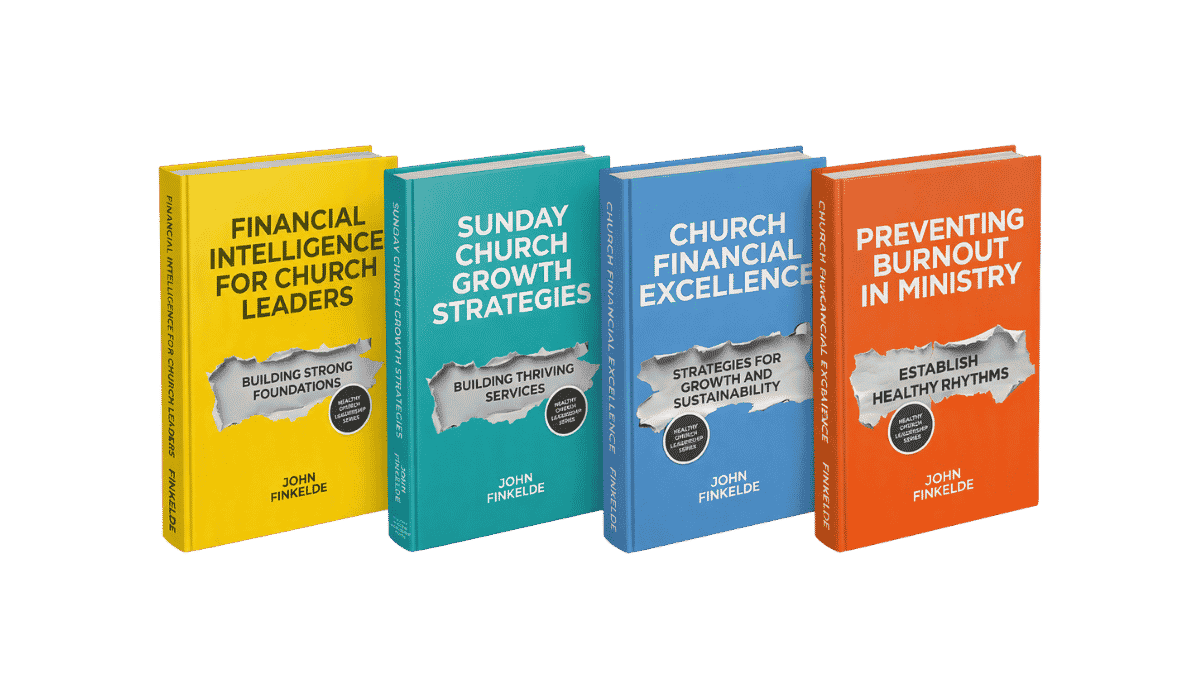
Empower your leadership with financial intelligence. Learn how to manage money wisely and lead effectively. Grab the book on Amazon now.