Every Sunday, churches welcome visitors who never return. As a church consultant, I became a mystery shopper at a local church of 500 people. Only the pastor knew me, and he didn’t even realise I was there until after the service. I left without anyone capturing my contact details. The church had missed an opportunity to connect with me after Sunday. A warm welcome matters, but so does a clear pathway that helps visitors take their next step towards belonging.
Key Takeaways
- Create a clear pathway for visitors with trained volunteers at every touchpoint
- Make it easy for visitors to share contact details using cards or church iPads
- Aim to follow up within 24 hours, then use appropriate personal contact
- Appoint a dedicated New People’s Director to manage guest engagement
- Evaluate your facilities and service through the eyes of a first-time visitor
- Train your congregation to connect authentically during the 15 minutes after service
The Missing Pathway Problem
Whenever I head out on my exercise walk, I target a well-maintained footpath. People love pathways because we are designed to walk along familiar routes, especially when they are well lit and easy to follow.
Intentional church leaders understand this principle and map out a clear pathway for visitors. They position key people at trigger points along the journey to guide guests toward connection and belonging. Without this visual map, your team lacks clarity about their roles in hospitality. A pathway positions you to get results with your visitor engagement efforts.

Why Contact Details Matter More Than You Think
Some churches are terrified of asking visitors for their contact information. They worry about being intrusive, especially with younger generations. However, Barna Group’s research shows that only 15 percent of Millennials don’t want to share any information when visiting a church.
Here’s a simple approach that works. When you connect with a visitor and the conversation comes to a natural end, take out a church visitor card, begin writing their name, and ask for their contact details. Nearly everyone will provide their name, address, email, and phone number. Having a readily available privacy policy helps people feel secure about sharing this information.
Always use a card or church iPad rather than putting details into your personal phone. This keeps the process professional and ensures information gets into your church database.
The Power of Multi-Channel Follow Up
Text Messages That Build Connection
A text message is an unobtrusive way to make contact. Text messages are rarely left unopened and remain one of the most powerful ways to connect with people. Send a thank you message within 24 hours of their visit, then follow up later in the week with an invitation telling them what’s happening Sunday.
One church lifted its evangelistic effectiveness by promoting a 30-day devotional via text. Visitors and members could easily and privately sign up at the end of a service. Don’t forget to include a short unsubscribe option in your messages.
Phone Calls Still Work
A courtesy call thanking visitors for attending is a winsome way to connect. Most people won’t pick up when they don’t recognize the number, but you can leave a personal message. In our impersonal age, a simple and helpful voicemail builds connection and can lead to further engagement.
The Purple Cow Postcard
Seth Godin writes about driving through France and initially being captivated by picturesque hills and black and white cows. After a while, he longed to see something different. A purple cow.
Your handwritten postcard is your purple cow opportunity. It will make your church stand out in a visitor’s memory. Put a small magnet on the back and your Sunday service times on the front. Hopefully, that postcard will spend time on your visitor’s refrigerator.

Creating an Inviting Environment
Take a fresh look at your car park, foyer, and children’s area through the eyes of a visitor. Drive into your parking lot as if you were visiting for the first time. Walk into the foyer and honestly assess how clean and welcoming it appears. How much clutter is lying around? These details communicate volumes about whether visitors are truly welcome.
Training Your People to Connect
The 15 minutes after the service is the time of church growth. What you do with visitors during this window will impact everything.
Church visitors range from people who don’t want any connection to those longing to become part of your community. Train your people to cater to everyone in this spectrum. Some visitors won’t go near a guest lounge while others will seek it out. Set up some comfortable chairs in your foyer or cafe area with friendly hosts ready to engage. Make sure your pastor connects with everyone in that space.
The New People’s Director Role
The first priority for your visitor program isn’t creating a system. Find a person, because God uses people and builds systems around them. Create a position for a New People’s Director and watch your visitor retention rates climb.
Consider this position as important as your Children’s Director or Worship Director. The primary requirements are an ability to be organized and an aptitude for being friendly. If your church is under 120 people, the pastor should become the first New People’s Director until someone else can be trained.
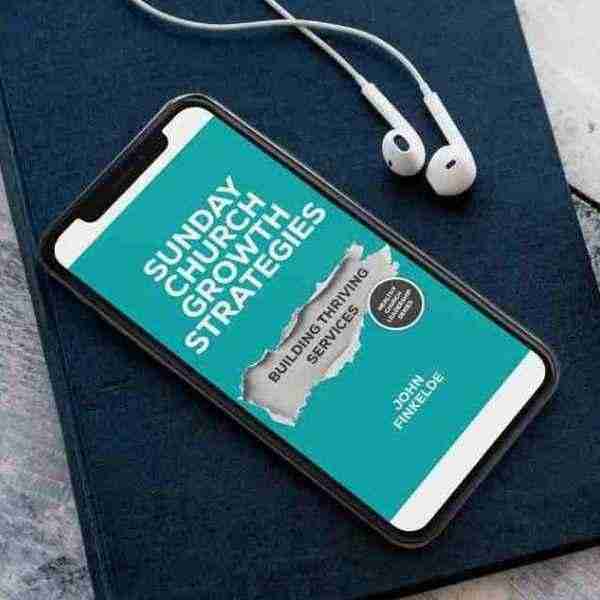
A welcoming Sunday service gives visitors a reason to return. My book Sunday Church Growth Strategies offers practical steps to strengthen your services and help people connect.
Avoiding Awkward Moments
Visitors are genuinely nervous on their first visit and can remain so for several weeks. You must avoid embarrassing them in any way. Some visitors find meet and greet time difficult and contrived. Others feel like outsiders due to inside language and stories that only members understand.
Poor or missing signage can make people feel awkward when they have to ask where the restrooms are located. Ask a key leader to pretend they are a visitor and filter every element of your gathering through fresh eyes.
A Heart Check for Your Church
It’s possible that some churches simply have no vision for growth and don’t genuinely care about visitors. They operate in maintenance mode and feel fatalistic about engaging with their community. If this describes your situation, it’s time for a change of heart and a renewed commitment to prioritizing the stranger in your midst.
Not every visitor is meant to return. Some are from out of town and were simply passing through. Others would never fit your church’s style and would be better served finding a different church family. That’s perfectly fine. But for the visitors who could become part of your community, these areas deserve your attention and investment.
Frequently Asked Questions
How soon should we follow up with church visitors?
Aim to send a personal thank you within 24 hours, using the contact method they’re comfortable with. A call or handwritten postcard can also help. You don’t need to use every channel with every visitor. Keep your follow-up warm, helpful and responsive to their wishes.
What if visitors don’t want to share their contact information?
Respect their preference. Explain why you’re asking and make it easy for them to connect when they’re ready. A visitor who declines to share their details should still receive the same warm welcome.
Should we have a separate room for our guest lounge?
No. Set up comfortable seating in your foyer or cafe area instead. A separate room can feel intimidating to visitors who are already navigating an unfamiliar environment.
How do we train volunteers to connect with different types of visitors?
Teach them to read social cues and offer varying levels of engagement. Some visitors want deep conversation while others prefer a simple welcome with space to observe.
What role should the pastor play in visitor follow up?
In smaller churches under 120 people, the pastor should function as the New People’s Director. In larger churches, the pastor should personally connect with visitors in the guest lounge while a dedicated director manages the overall system.
Discuss This With Your Leaders
Walk through your church as if you were visiting for the first time. Start in the car park and follow the journey through the service, children’s check-in and the conversation afterwards.
- Where might a visitor feel unsure, overlooked or embarrassed?
- How easy is it to share contact details and understand what happens next?
- Who takes responsibility for following up and helping visitors connect?
Identify three gaps. Choose one to improve before next Sunday, give someone responsibility and review what changed.
For the wider picture, explore the key elements of a healthy church. Then take the growth quiz below to consider your next priority.