When our movement asked us to run conferences in Central Africa, I had a choice. I could keep the responsibility on my own shoulders, or trust someone else to carry it.
I handed the entire project to Pastor Russell Smith. Then I prayed and honestly I felt more than a bit nervous.
He pulled it off brilliantly. As I put responsibility down, he rose up to it. That experience captures something pastors need to hear: developing leaders involves giving them something real to lead.
After 14 years coaching pastors through Grow a Healthy Church, I have seen too many leaders carrying what I call a structural backpack. It is the weight of decisions, approvals and responsibilities that always come back to them.
What does healthy church delegation look like? Name a point person, clarify the decisions and budget they can manage, write down what still needs your approval, and direct people back to that leader. Sharing tasks helps; sharing appropriate authority changes the structure.
Here is a practical way to begin unloading that backpack, with more clarity and courage—and fewer headaches and heartaches.
Key Takeaways
- The structural backpack is the weight of decisions and responsibilities that always return to the pastor.
- Control, perfection and insecurity can make it difficult to release that load.
- Healthy delegation includes clear authority, decision limits and budget boundaries.
- Protect delegated leaders by directing people back to them instead of taking decisions over.
- Start by naming your load, delegating one project and stopping one unnecessary activity.
Name the Weight in Your Structural Backpack
Think about the decisions that reached you this week. What genuinely needed your involvement? What came to you because it’s how your church has always worked?
A leader asks for advice on a small matter. You help. Six months later, every matter lands with you. A budget question stays on your desk because approving it yourself feels quicker than explaining the process. Gradually, a temporary arrangement becomes permanent.
The backpack gets packed one decision at a time. Nobody necessarily intended it. You and your team developed a pattern without stopping to name it.
I am talking here about structural responsibility, rather than the grief or relational wounds you may also carry. Those need their own attention. A helpful starting question is: What am I carrying that belongs in someone else’s hands?
Write down the approvals, meetings and ministry decisions that depend on you. Be specific. You cannot redistribute a load you have not identified.
Face the Instincts That Keep You Holding On
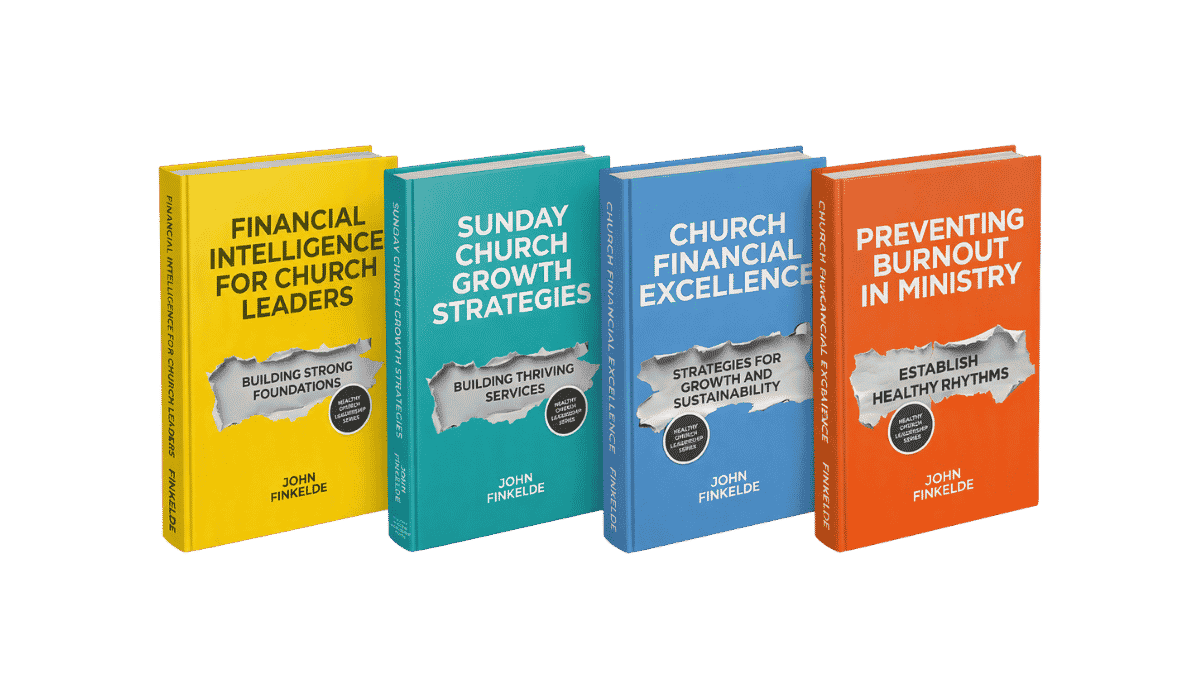
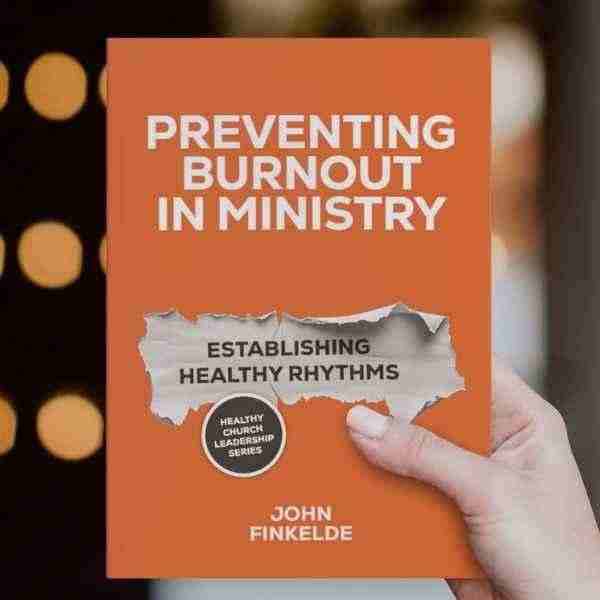
In Preventing Burnout in Ministry, I describe three understandable instincts that can keep the backpack firmly on a pastor’s shoulders.
Control: doing it yourself seems easier than explaining it.
Perfection: you suspect nobody will do it quite as well.
Insecurity: if other people can lead, you wonder what your own role will become.
They are not character flaws but rather patterns worth recognising honestly. You can love your church deeply and still build a structure that depends too heavily on you.
Russell’s conference project brought that tension into focus for me. Giving him the whole project meant accepting that I would not control every detail. Prayer and a bit of nervousness were part of the experience.
The alternative was to retain the responsibility and miss an opportunity to lift a leader. If you want to develop emerging church leaders, make space for them to exercise responsibility, alongside the training and support they need.
Delegate Authority with Clarity
For each key ministry area, name a point person. Then clarify the authority they hold. A job description alone is not enough if every decision still requires a trip back to your office.
Work through these questions together:
- What decisions can this leader make without asking me?
- What budget can they manage within our agreed limits?
- What needs my sign-off?
- What responsibilities remain with me or the church board?
- How will the team know who to approach?
Write the answers down. A useful starting sentence is: “You are responsible for this area. You can decide these things. Please involve me when these agreed limits are reached.”
This is a practical application of the principle, rather than a requirement to create a complicated system. The aim is to replace uncertainty with shared understanding.
Explain the arrangement to your team, too. Clear church delegation needs people to understand both the person responsible and the authority you have entrusted to them.
Brian Webber’s experience of delegation as his church grew also highlights the importance of choosing leaders who share your heart for the church.
Protect the Person You Have Empowered
Here is where your new structure gets tested. Someone bypasses your point person and brings the decision straight to you.
You know the answer. You could settle it immediately. It feels helpful, efficient and harmless.
But every time you take the decision back, you teach people that the delegated leader is an optional stop. The old pathway remains open, and the backpack gets heavier again.
Direct them back to the person you have empowered. You might say, “Please speak with our ministry leader first. They have the authority to handle this.”
That requires courage. It also requires consistency. Keep the agreed boundaries clear, and remain available for matters that genuinely need your involvement. You are supporting the leader, rather than leaving them isolated.
Your board can help you identify expectations that keep everything flowing through you. These questions church boards can ask to support their pastor provide a useful starting point for that conversation.
See What Distributed Leadership Makes Possible
In the book, I write about Pastor Brian Webber’s eight weeks away from his church. He had worked on giving authority to other people before he left.
He came back refreshed, to a church energised by the key leaders who had been left in charge. His time away gave others room to lead.
His eight-week pastoral sabbatical story shows why preparation and distributed responsibility matter. Simply leaving the building would not have created that structure.
A weekly reset can restore your energy. It cannot, by itself, change a church where every decision still returns to you. You could take a month away and come back to the same load.
I explore the rest side of this in the weekly-reset rhythm that changed my family and ministry life. That is where I tell the story of Dianne’s conversation with me. Here, the emphasis is on what needs to change in your leadership structure.
Rest and shared leadership belong together. One gives you space to recover; the other gives your team room to carry responsibility.
Unload One Responsibility This Week
If you pastor a small church or work bivocationally, start with the people you have. You do not need a large team. Perhaps your children’s ministry leader is the person you can begin empowering.
Take these three steps:
- Name your backpack. Write down what you carry. Use paper, your laptop or your phone. Look for responsibilities that keep returning to you.
- Delegate one project. Choose a leader, define the authority and give them room to lead. Russell’s project reminds me that releasing responsibility can feel risky. It can also allow a leader to rise.
- Stop one unnecessary activity. Ask what you cannot sensibly delegate but could simply stop doing. Some tasks do not need another owner; they need to come off the list.
A delegated project may succeed or stumble. Do not promise yourself a flawless result. Use clear expectations, appropriate support and honest conversations to help the leader grow.
Keep the exercise manageable: one person, one project, one clear set of decisions. Review what you learned together before expanding it.
Rest will restore you. Distributed leadership will free you. Start making room for both.
Frequently Asked Questions
What is the structural backpack in church leadership?
It is my term for the decisions, approvals and responsibilities that accumulate with the pastor because others have not been trusted or authorised to carry them.
How is delegating authority different from assigning tasks?
Assigning a task gives someone work to do. Delegating authority also clarifies what they can decide, what resources they can manage and when they need approval.
Where can a small-church pastor begin?
Choose one existing leader and one manageable project or ministry area. Write down their authority and explain it to the people who work with them.
What should I do when people bypass the delegated leader?
Direct them back to that person for decisions within the authority you have agreed. Handle genuine exceptions through the boundaries you established together.
Will delegation prevent every kind of ministry burnout?
No. This principle addresses the structural load pastors carry. Emotional wounds, health, relationships and other pressures may require additional support. Delegation complements healthy rest and care; it is not a complete answer to every cause of burnout.