The drive home after hearing I had prostate cancer was surreal.
In 2007, a routine blood test led to a biopsy. I was certain the result would be clear. Then my specialist told me I had prostate cancer. I had to go home and tell Dianne, then our children, while working out how to keep leading a church.
Pastoral friendship became much more than a pleasant addition to ministry life. I needed someone who understood its weight and could stand with me while I faced my own fears. Those relationships grow through repeated contact, honest conversations and follow-through. We need to build them before we desperately need them.
My family loved me. My staff respected me. Yet the question underneath everything that week was painfully personal: who could support me?
Key Takeaways
- Pastors need relationships where they can receive support as well as give it.
- Family, staff and board relationships have strengths and limits.
- Isolation can leave us processing fear and exhaustion without outside perspective.
- Strong friendships grow through regular contact and practical follow-through.
- Text a pastor this week and begin rebuilding a neglected connection.
Let Your Own Crisis Become a Reason to Reach Out
I remember the moment with my specialist vividly, even though I can’t recall every word. Shock does that. Some details disappear while others stay with you.
The church still needed a sermon for Sunday. The board still needed leadership. My ministry responsibilities hadn’t stopped because I had heard the word cancer. At the same time, I needed space to process something frightening and unfamiliar.
I didn’t tell many people at first. I wanted time to consider my options privately. That privacy mattered, but privacy didn’t remove my need for support.
I’ve written more broadly about surviving the relentless toll of ministry. Here is the particular lesson that stays with me from that season: being the leader doesn’t mean I can carry every personal crisis alone.
Recognise What Your Existing Relationships Can Carry
A congregation includes people I serve, counsel, marry, baptise and sometimes bury. They look to their pastor for steadiness. A staff team also looks to its leader for direction.
Those relationships can be caring and sincere. They still carry a pastoral dynamic. Even a close friend within the church may feel that dynamic, whether either of us names it or not.
Board members can be valuable confidants, but their relationship with the pastor has its own responsibilities and complications. Denominational relationships can provide resources while remaining relatively formal.
And family can only carry so much. I am deeply grateful for Dianne and our children. I also needed friendships beyond my family. These questions boards can ask to support their pastor help make that need part of an honest leadership conversation.
Tell a Trusted Pastor What Is Really Happening
After our annual Real Men conference, I went out with my good friend Greg French. We had a tradition of catching up after the conference, having a beer and talking. We’d just enjoyed a great event and were riding high on its energy.
Then I told him I had prostate cancer.
Greg listened. He commiserated. He didn’t reach for a pat answer or try to fix the situation. That gave me someone with whom I could be honest, without having to turn the conversation into another leadership task.
Another pastor understands the weight of preaching, the loneliness of leadership, the confidences we carry and the exhaustion that can come with repeated conflict. There is a gap a pastoral friendship can fill. I don’t have to explain the whole world of ministry before I can explain what is happening to me.
Value the Follow-Through After the Conversation
What Greg did afterwards was phenomenal. He called. He prayed. He checked in with texts before and after the operation I eventually had.
His care continued beyond the evening when I told him. It wasn’t one sympathetic conversation followed by silence.
Our friendship hadn’t appeared that week. We’d built it over years, through multiple connections and points of contact, even while living in different parts of Australia. The relationship was there when I needed it most.
When I consider the overlapping pressures pastors carry, I keep coming back to this kind of steady connection. Someone outside the immediate fog can help me see my situation more clearly. Isolation makes that perspective harder to find.
Give Friendship a Rhythm in Ordinary Weeks
Most pastoral friendships don’t disappear because people stop caring. Often the rhythm of connection fades. Busyness crowds it out. Sometimes insecurity does too.
I’ve had to be proactive. Some of the best moments in my ministry have been breakfasts with long-term pastor friends, laughing so loudly that people at nearby tables look across at us. They seem surprised pastors can be having that much fun.
Those ordinary moments matter alongside the serious conversations. Friendship needs room for enjoyment, familiarity and shared life.
I wouldn’t leave all of that to whatever time remains after ministry. My approach to an effective weekly pastoral schedule is to give important things an actual place. A connection that repeatedly gets postponed needs attention, just as an overlooked ministry priority does.
Send One Message and Keep Reaching Out
Pastor, who are you building with? Think of someone you already trust but haven’t seen for a while. Text them this week. A relationship may have become neglected without either person deciding to end it.
Perhaps a friendship has finished and you need to begin another. Reach out and keep reaching out as you build a group of people who can stand with you through different seasons.
Board member, ask your pastor who their ministry friends are. Make room for an honest answer. It is a useful question because it looks beyond whether the pastor is delivering the next sermon or managing the next meeting.
My cancer diagnosis brought the question into sharp focus. I don’t want another pastor to wait for a crisis before considering it. Choose one person, make contact and give that friendship a chance to grow.
Frequently Asked Questions
Why do I need friends who are pastors?
I value the understanding they bring to preaching, confidentiality, conflict and leadership. That shared experience gives me a place to speak without explaining every part of ministry first.
Isn’t support from my spouse enough?
I am deeply grateful for my family. I also recognise that family members can only carry so much. Pastoral friends add support beyond the people who share my home.
Do I have to tell everyone about a personal crisis?
I wanted privacy when I received my diagnosis. I didn’t need to tell everyone, but I did need trusted people with whom I could be honest.
What made Greg’s friendship so helpful?
He listened without a pat answer, then kept calling, praying and checking in. Our years of friendship gave that care a foundation.
How can I restart a neglected friendship?
I’d begin with a text to someone I trust and haven’t caught up with recently. Then I’d keep making room for contact instead of treating one message as the whole task.
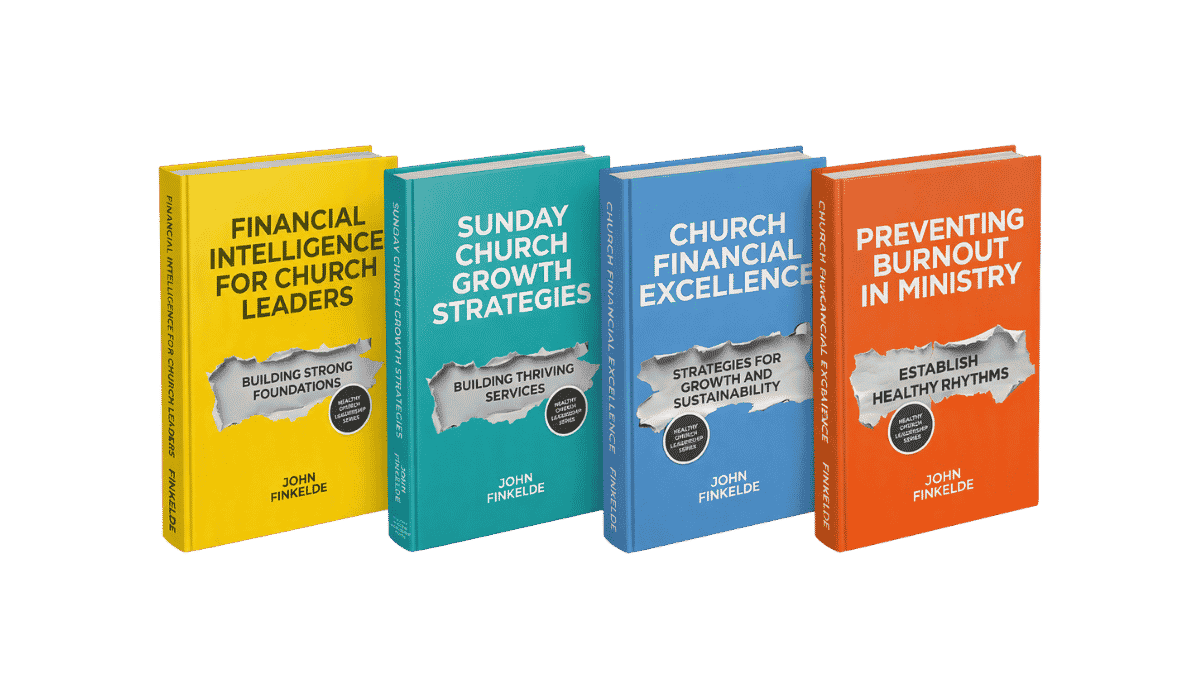
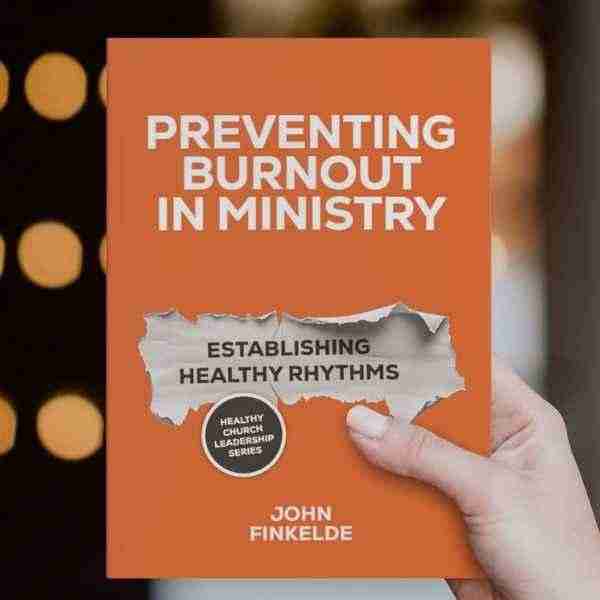
I tell this story in Preventing Burnout in Ministry because friendship is one of the rhythms that helped me carry the weight. If you’re reviewing your own pace and support, use the sustainability quiz below as a starting point for reflection.