Women in ministry remains one of the most debated topics in church leadership today.
In this honest and thoughtful conversation, Pastor Belinda Lakelin and Pastor Wayne Field share the real challenges, pressures, and blessings that come with women serving in pastoral leadership.
Their journey offers practical wisdom for pastors who want to build a healthy church marked by courage, clarity, and diverse voices.
Key Takeaways
- Discerning your calling as a woman in ministry can take years of deep wrestling before confidence and clarity emerge.
- Public affirmation and visible support from senior leaders creates safety and credibility.
- A diverse leadership voice strengthens discernment and guards against unhealthy power dynamics.
- Healthy churches intentionally create equity in meetings, preaching, and decision making.
- Flourishing often begins when leaders step into spaces that align with their God-given gifts.
Wrestling with the Call in Women in Ministry
When asked about the most significant hurdles she has faced, Pastor Belinda did not hesitate.
The first challenge was discerning her own calling. As she explains,
“When you’re a woman in ministry, sometimes your calling is described as ambition, not in a good way.”
She speaks candidly about the internal battle.
“Am I just ambitious? Am I power hungry? Do I have an ego?”
Those questions were not abstract. They shaped years of wrestling. People would say to her,
“Why don’t you value kids ministry? Why isn’t that enough for you?”
That subtle questioning forces women to examine motives in ways many male pastors never have to. Belinda shared that it took years to become settled internally.
“No, this is what God has called me to do. And I am obeying him by taking these steps.”
That clarity did not come easily. But it became foundational. For pastors reading this, there is a leadership principle here. Calling must be settled internally before it can be sustained externally. If you are unsure of what God has asked of you, pressure will undo you.
The Pressure of Representing Half the Population
The second hurdle Belinda described is the weight of representation.
“You tend to feel like people are judging women in ministry on your performance.”
She explained that every sermon, every leadership decision, can feel like a referendum.
“Is she any good? Could God be behind this?”
That pressure is real. Her response is deeply pastoral and deeply theological.
I just preach the gospel to myself. I remind myself that God loves me because of his son Jesus, not because of my performance.”
That is leadership maturity. Healthy church growth begins when leaders root their identity in Christ rather than in metrics or approval. Performance pressure crushes. Gospel confidence stabilises.

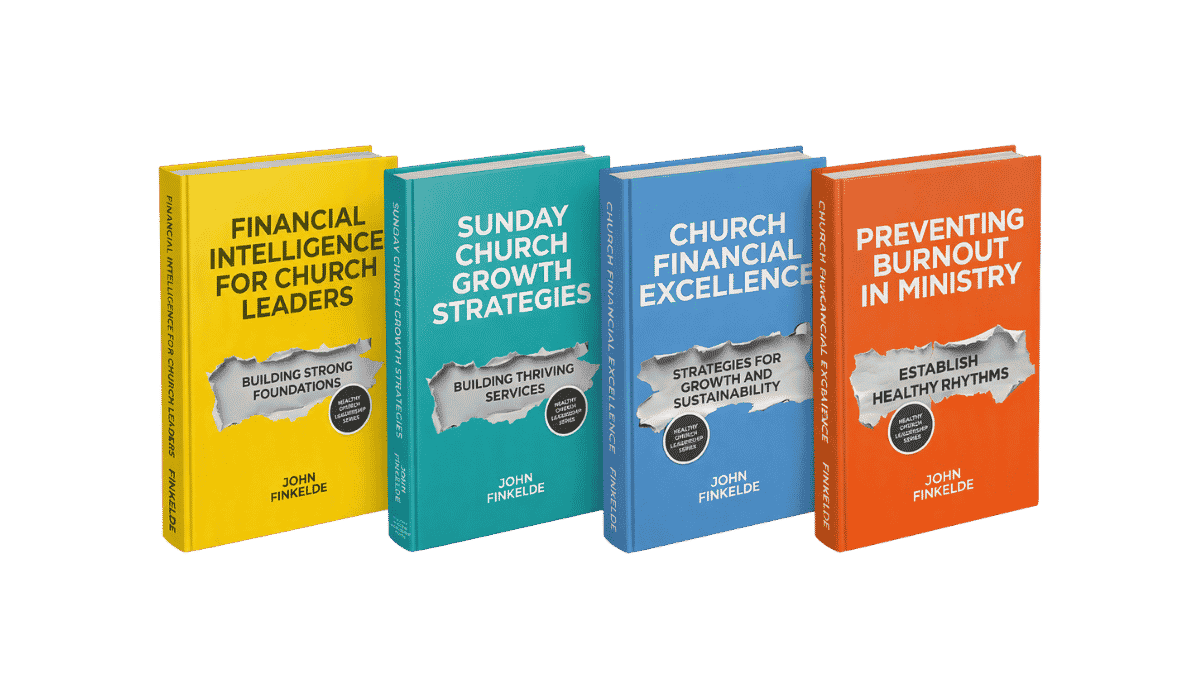
Drawing on over four decades of pastoral ministry and consulting, John equips you to create Sunday services where people encounter Christ and take meaningful next steps in their faith. Includes adaptation section for small churches PLUS a 90 day action plan for all size churches. Read or listen. On Amazon now or Listen on Spotify
Creating a Safe and Equitable Culture
When asked what practical steps he took to support Belinda as a campus pastor replanting a declining church, Pastor Wayne was clear.
Culture matters.
He ensured the campus shared a similar culture that was safe and accepting. He made sure she was well networked with other pastors, especially female pastors, so she was not isolated.
But one phrase stands out.
“I wanted to ensure there was equity on the team, that Belinda’s voice was equally as important as everyone else’s.”
Equity was not assumed. It was intentionally cultivated. He publicly affirmed her accreditation and celebrated her ordination. Public affirmation shapes congregational perception. When senior leaders speak clearly, the culture follows.
Belinda also shared a vulnerable moment about an unwelcome situation where someone had “a far too high opinion of me.” She said Wayne
“acted very quickly and very decisively around that and that really helped me feel safe and supported.”
Safety is not accidental. It is created by decisive leadership.
Why Diverse Leadership Voice Matters
The conversation then widened to the broader Baptist community. Wayne acknowledged the diversity of theological views but emphasised maintaining relationships and focusing on what is key rather than what is peripheral. When speaking about benefits of women in ministry, his conviction was strong.
“Having just men in the room on a leadership team… it’s actually dangerous.”
That is not rhetoric. It is a leadership conviction shaped by experience. He continued,
“We need to hear the voice of women in our churches.” He even reflected, “I think perhaps if we’d had more of that 30 or 40 years ago, perhaps we would not have had the royal commission that we have today.”
That statement carries weight.
Diverse leadership voices strengthen discernment, guard against unhealthy power dynamics, and unleash the full range of spiritual gifts God gives to his church.
For pastors serious about building a healthy church, diversity is not political. It is biblical wisdom.

Learning, Unlearning, and Humility
Wayne openly admitted his own journey.
“I grew up at a complimentarian family, complimentarian church… and I’ve had to unlearn some bad habits.”
He shared that when initially searching for a church planter, a voice in his head kept saying,
“You’re looking for a guy.”
Seeing Belinda’s resume forced him to rethink that assumption.
“Wow, I really need to rethink that.”
Healthy leadership requires humility. It requires the willingness to examine inherited beliefs in the light of Scripture and experience.
They even developed a light-hearted accountability phrase. If Wayne slips into generational habits, Belinda can say,
“Hey Wayne you’re showing your age.”
That kind of relational trust builds strong teams.
Preaching with Authentic Female Voice
Belinda reflected on how her experience shapes her preaching.
“The male voice is very easily heard,”
she observed. She described scrolling through countless evangelism videos before finally seeing a female thumbnail. Representation matters. So when she preaches, she brings her whole self. She speaks about wearing pants without pockets or having mascara rubbing your eye. And she does so without apology.
“I just own the fact that I am a female.”
That authenticity serves the congregation. They already hear from male pastors. Balance enriches the body. Healthy church growth is strengthened when leaders bring who they are to the pulpit rather than imitating someone else.
Hope Deferred and Flourishing
When asked what she would say to women sensing a call but serving in non-affirming churches, Belinda spoke from deep experience.
She referenced Proverbs 13:
“Hope deferred makes the heart sick but a longing fulfilled is a tree of life.”
That verse describes her journey. She spent nearly 25 years in complementarian churches. The frustration of not fully flourishing was real. But stepping into her campus role this past year has been
“the most satisfying year of my life. It hasn’t been easy by any stretch. But to be able to do what I believe God has called and gifted me to do… I feel like I’ve been flourishing finally.”
For pastors navigating complex transitions, clarity and courage matter. Sometimes flourishing requires stepping into a new space where your gifts can be fully expressed.
Nothing changes if nothing changes.
Frequently Asked Questions
Is women in ministry still controversial today?
Yes. While many churches affirm women in pastoral leadership, others hold different theological convictions. The discussion continues across denominations and networks.
How can a church create equity in leadership?
Senior leaders must intentionally affirm women publicly, ensure equal voice in meetings, cultivate safe culture, and model respect consistently.
What if I sense a call but my church does not affirm women pastors?
Seek wise counsel and prayerfully reflect. Consider whether remaining allows you to flourish or whether God may be leading you into a different context where your gifts can be fully expressed.
Does diverse leadership really strengthen church health?
Yes. Diverse voices strengthen discernment, guard against unhealthy power dynamics, and release the full range of spiritual gifts within the body of Christ.
How should pastors navigate disagreement on this issue?
Maintain strong relationships, focus on the core of the gospel, and approach differences with humility and grace while leading with conviction.
Pastor, leadership requires clarity and courage. Whether you are wrestling with calling, culture, or church growth, the goal remains the same. Build a healthy church where every God-given voice can flourish.